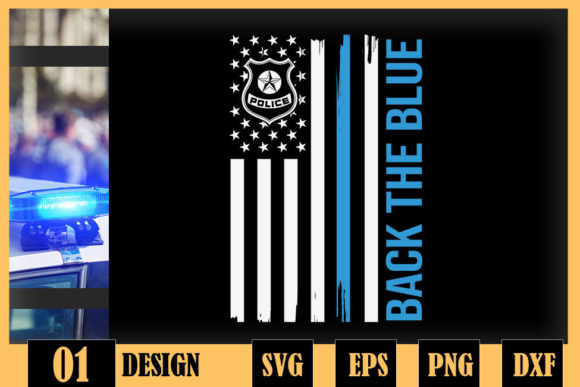
Review: I Back the Blue for My Son Proud Police Design
As a designer who spends more time staring at stitch maps than most people spend watching television, I approach every new machine embroidery design with a healthy dose of skepticism. We have all been there: you download a file that looks crisp on the screen, only to find it turns into a bird's nest of thread once it hits the fabric. That is why I took a close look at the I Back the Blue for My Son Proud Police graphic before committing it to a client project. This isn't just about whether the image is cute; it is about whether it translates effectively into a durable, professional finished product that honors the sentiment behind the message.
First Impressions and Visual Personality
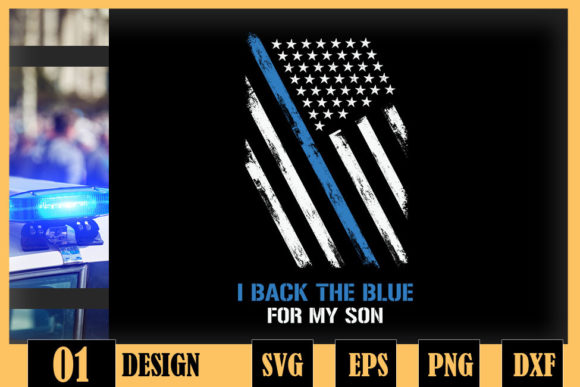
The first thing that strikes me about this Graphics asset is its emotional weight. Supporting a child in law enforcement is a specific, proud niche within the broader Crafts community. The layout of the I Back the Blue for My Son Proud Police design feels balanced, avoiding the cluttered look that often plagues text-heavy files. When I opened the file in my vector software to inspect the paths, the lines appeared clean, which is a promising sign for digitizing or converting into an embroidery file. The typography seems robust enough to handle the transition from digital pixels to physical thread without losing legibility. For a handmade product intended to show support, the visual personality needs to be strong but not aggressive, and this design hits that sweet spot.
Real-World Application: The Sweatshirt Scenario
To truly test the viability of this design, I imagined a real-life scenario that many Etsy sellers and small shop product owners face daily: a custom order for a mother whose son just graduated from the police academy. She wants a high-quality sweatshirt embroidery piece she can wear to the graduation ceremony and subsequent family gatherings. In this context, the I Back the Blue for My Son Proud Police design shines as a centerpiece.
Placed on the left chest or centered on the back of a heavyweight cotton blend sweatshirt, the design offers excellent visibility. Because the theme is so specific, it acts as an instant conversation starter. However, the success of this embroidery project relies heavily on execution. If I were stitching this for a paying client, I would treat it as a premium personalized gift. The clarity of the lettering in the design suggests it would hold up well under satin stitch columns, provided the digitizer maintains appropriate pull compensation. For a craft business, delivering a item like this builds immense customer trust because it shows you understand the gravity of the occasion.
Navigating Fabric and Stitch Challenges
While the design concept is solid, practical application requires caution. Not every surface is suitable for this level of detail. If you are planning to use this on a tote bag design made from canvas, you are likely in the clear. Canvas provides a stable base that handles stitch density well. However, things get tricky with textured fabrics or stretchy materials. If a customer requests this on a thin, ribbed knit baby onesie for baby embroidery, you must proceed with care. Fine details can get lost in the texture of the fabric, and heavy stitching can cause puckering on lightweight materials.
Furthermore, consider the hoop size constraints. While the design appears to have a standard aspect ratio, always measure your specific hoop against the scaled size of the design before starting. Curved surfaces, such as caps, present another challenge. The I Back the Blue for My Son Proud Police layout might need adjustment if applied to a structured cap, as the curvature can distort text that was designed for a flat plane. For embroidered patch creation, this design is ideal, provided you use a dense merrow border or a tight satin edge to prevent fraying.
Technical Considerations for Digitizing and Stitching
It is important to remember that the product description lists compatibility with software like Cricut Design Space, Silhouette Studio, Corel Draw, Adobe Illustrator, and Photoshop. This indicates the source file is likely a vector or high-resolution raster image intended for cutting or printing, rather than a pre-digitized stitch file. To use this for commercial embroidery, you will likely need to digitize it yourself or hire a professional digitizer to convert it into a format your machine can read. This step is crucial for controlling thread colors, running stitch outlines, and fill stitch directions.
When preparing the file, pay close attention to the small text elements. Tiny lettering is the first thing to fail in embroidery if the stitch count is too low or the underlay is insufficient. I recommend running a test stitch-out on scrap fabric that matches the weight and weave of your final material. Check the contrast between your thread choices and the fabric background. A dark navy thread on a black sweatshirt might look sophisticated on screen but disappear entirely once stitched. Conversely, bright royal blue on white fabric offers high impact but requires pristine stitching to avoid looking messy.
Enhancing Brand Value and Customer Engagement
For creative entrepreneurs and apparel decorators, the choice of design directly impacts brand perception. Using a well-thought-out graphic like I Back the Blue for My Son Proud Police signals that your small shop product line is thoughtful and relevant. It appeals to a demographic that values loyalty and family pride. When customers see a clean, professionally executed version of this design, it increases the perceived value of the item, allowing you to price your handmade product accordingly.
In terms of marketing, this design works beautifully for printable mockup creation. You can easily visualize how it looks on various garments before ever threading a needle, which is essential for creating compelling listings for Etsy seller accounts. Whether used for holiday embroidery gifts, wedding presents for the families of officers, or general boutique branding, the versatility is there. However, always verify the licensing terms associated with the design assets. Just because a file is compatible with your software does not automatically grant commercial rights for resale of the physical or digital item.
Final Verdict for Makers and Designers
The I Back the Blue for My Son Proud Police design is a strong contender for anyone looking to create meaningful, supportive apparel and decor. Its strength lies in its clear message and adaptable layout. However, its success depends entirely on the skill of the maker. Do not skip the step of testing on scrap fabric. Ensure your stabilizer choice matches the fabric type—cut-away for knits and tear-away for wovens. Inspect the small details closely before running a production batch.
If you are an embroidery designer looking to expand your portfolio with socially conscious items, this graphic provides an excellent foundation. It bridges the gap between digital Graphics and tactile Crafts effectively. By respecting the technical limitations of embroidery machines and choosing the right materials, you can turn this digital file into a cherished heirloom. Whether it ends up on a kitchen towel, a pillow cover, or a favorite jacket, the goal is to create a finished product that makes the wearer feel seen and supported. With careful preparation and a keen eye for detail, this design is ready for prime time in your workshop.