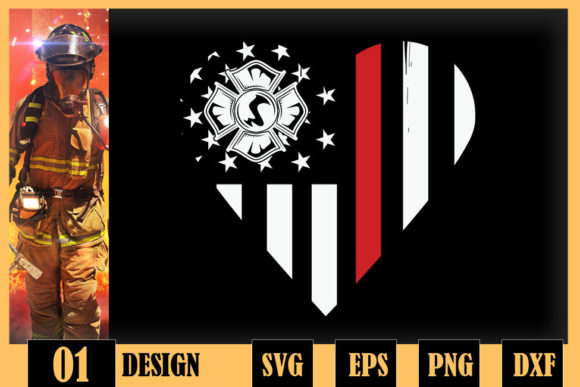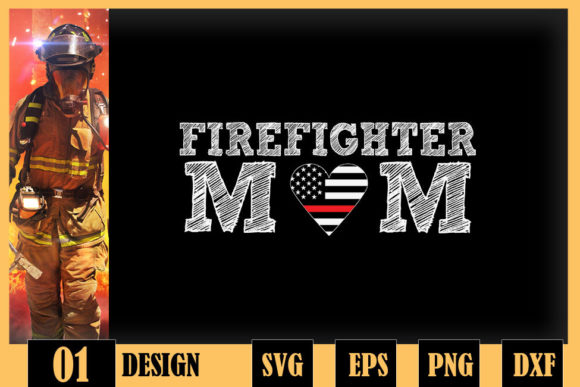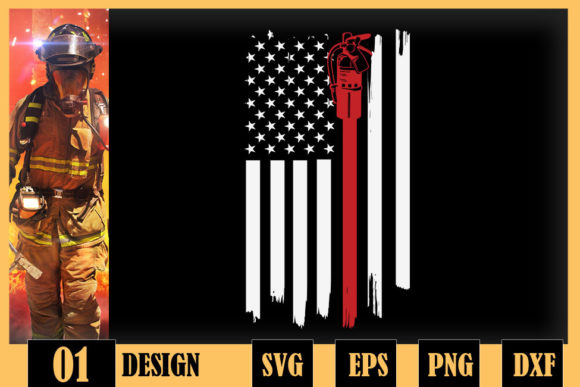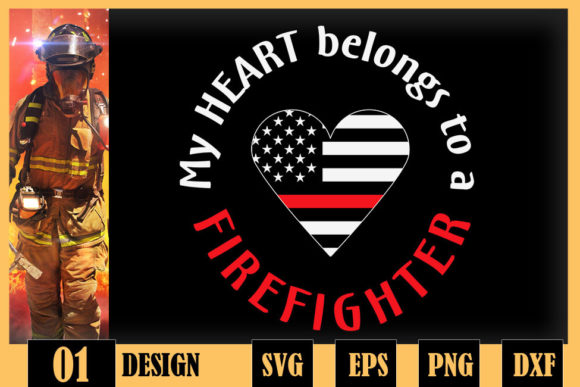
Review: Thin Red Line USA Flag Firefighter Design
As a designer who spends more time staring at stitch simulations than most people care to admit, I approach every new machine embroidery design with a mix of excitement and skepticism. We have all seen the "Thin Red Line" motif a thousand times, but when it comes to actual production, the devil is always in the details. Recently, I had the chance to evaluate the Thin Red Line USA Flag Firefighter graphic for potential integration into real-world projects. This isn't just about whether the image looks good on a screen; it is about how that visual translates into thread, fabric, and ultimately, a handmade product that a customer will wear or display with pride.
First Impressions and Visual Personality
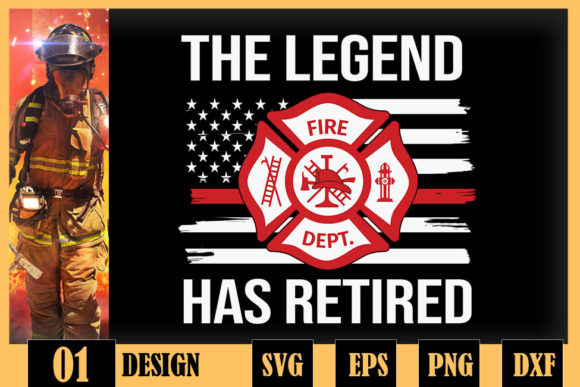
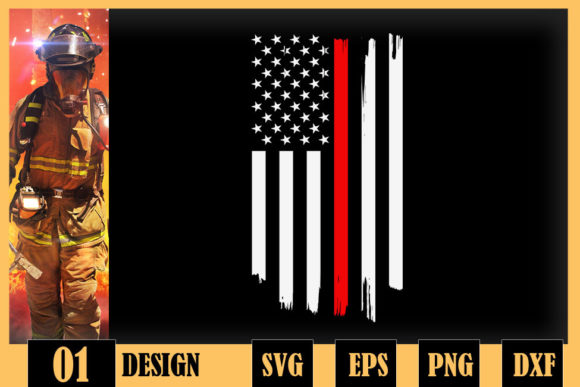
The first thing that strikes me about the Thin Red Line USA Flag Firefighter asset is its bold simplicity. In the world of Crafts and digital Graphics, there is often a temptation to overcomplicate patriotic themes with excessive gradients or intricate shading. However, this design leans into a cleaner aesthetic that feels purposeful. The layout suggests a strong horizontal flow, which is ideal for placement on chest pockets, sleeve cuffs, or the back yoke of a jacket. The mood it creates is one of respect and solidarity without being overly aggressive. For a fire station boutique or a family member looking to honor a first responder, this visual personality hits the right note of dignified support.
When reviewing the lines and shapes, I am immediately thinking about how these will convert from vector paths or raster pixels into physical stitches. The contrast between the red line and the monochromatic flag elements is sharp. In an embroidery project, high contrast is your best friend for readability, especially from a distance. If you are planning to use this for a custom apparel line, this level of clarity ensures the message is received instantly.
Real-World Application: The Custom Tote Scenario
To truly test the viability of this design, I imagined a specific real-life scenario: creating a limited run of heavy canvas tote bag design items for a local fire department's fundraising event. These bags need to withstand heavy use, frequent washing, and carry a professional look that encourages people to actually use them rather than letting them gather dust.
In this context, the Thin Red Line USA Flag Firefighter shines as a central focal point. Placed prominently on the front of a natural or black canvas tote, the design offers excellent coverage. Because the graphic relies on strong blocks of color rather than tiny, fragile details, it holds up well against the textured weave of canvas. If I were stitching this out, I would lean towards a combination of satin stitch for the borders and text (if included in the specific file version) and a tight fill stitch for the flag fields. This approach minimizes snagging and ensures the "red line" remains vibrant even after months of carrying groceries or gym gear.
Beyond tote bags, this design is equally compelling for sweatshirt embroidery. Imagine a charcoal grey crewneck with this design stitched on the left chest. The simplicity of the graphic prevents the garment from looking cluttered, maintaining a modern, boutique feel that appeals to younger demographics as well as traditional supporters.
Navigating Fabric Challenges and Stitch Density
While the design is strong, a responsible reviewer must address where caution is needed. Not every fabric plays nice with every graphic. If you are working with stretchy knits for baby embroidery projects, such as a onesie for a firefighter's newborn, you must be wary of stitch density. A dense fill can make a small garment stiff and uncomfortable against sensitive skin. In these cases, I would recommend testing the design on scrap fabric first to see if the underlay is sufficient to prevent puckering.
Furthermore, curved surfaces like caps present their own challenges. The horizontal nature of the flag means that on a structured cap, you need to ensure the hoop size accommodates the width without distorting the arch of the hat. If the design includes fine lettering near the red line, verify that the resolution holds up when scaled down for a hat front. Tiny details can easily get lost or merge together if the thread tension isn't perfect.
Dark fabrics are another consideration. While the red line pops, ensure that the white or light elements of the flag have enough opacity or stitch coverage so the base fabric doesn't show through, which can ruin the crispness of the finished product. Using a appropriate stabilizer is non-negotiable here; a cut-away stabilizer is often safer for garments that will be washed frequently, ensuring the design doesn't shift or warp over time.
Commercial Value and Brand Consistency
For Etsy sellers and small shop owners, the commercial potential of the Thin Red Line USA Flag Firefighter is significant. First responders and their families are a loyal niche market that values quality representation. A sloppy embroidery job can damage trust, but a clean, well-executed version of this design builds immediate brand credibility. It signals that you understand the gravity of the symbol and have taken care in its presentation.
This design also works beautifully for creating printable mockup assets. Before you even stitch a single thread, you can place this graphic on digital templates to show clients exactly what their personalized gift or custom order will look like. This visual confirmation helps close sales faster. Whether you are selling the physical embroidered item or offering customization services, having a reliable, high-quality graphic source is essential for maintaining consistency across your product line.
Practical Notes for the Studio
Before committing to a full production run, keep these practical steps in mind:
- Check File Compatibility: The product description notes compatibility with software like Cricut Design Space, Silhouette Studio, Corel Draw, Adobe Illustrator, and Photoshop. Ensure you have the correct file format for your specific embroidery digitizing software or cutter.
- Thread Color Matching: Do not rely solely on the screen colors. Match your thread chart to a true "firefighter red" and a crisp white to ensure the flag looks authentic.
- Test on Scrap: Always stitch a sample on the exact fabric you intend to use. What looks good on cotton might pucker on a polyester blend.
- Review Licensing: If you plan to sell items featuring this design commercially, confirm the licensing terms provided with the download to ensure you are compliant for commercial embroidery use.
- Inspect Small Details: Zoom in on the digital file. Are there any isolated stitches or tiny jumps that could cause thread breaks? Clean up the path if necessary before stitching.
In conclusion, the Thin Red Line USA Flag Firefighter is a versatile and impactful asset for the modern maker. It bridges the gap between digital convenience and tactile craftsmanship. When handled with attention to fabric choice and stitch technique, it transforms from a simple graphic into a powerful statement piece. Whether you are decorating a kitchen towel as a holiday gift or producing merchandise for a firehouse fundraiser, this design offers the reliability and visual appeal needed to create products that resonate with people.