Police Officer Police Dog Thin Blue Line Review
As a designer who spends more time at the hoop than away from it, I approach every new machine embroidery design with a critical eye. It is not enough for a graphic to look good on a screen; it must translate perfectly into thread, holding up under the tension of the needle and the texture of the fabric. Recently, I evaluated the Police Officer Police Dog Thin Blue Line graphic for potential integration into my craft business inventory. This piece sits firmly in the Crafts category but functions primarily as a high-impact Graphics asset that requires careful digitizing consideration before it becomes a finished product.
First Impressions and Visual Personality
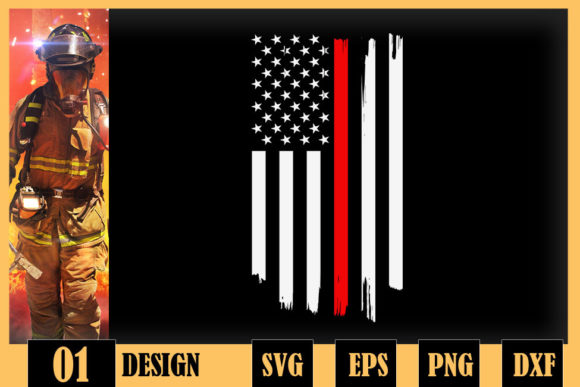
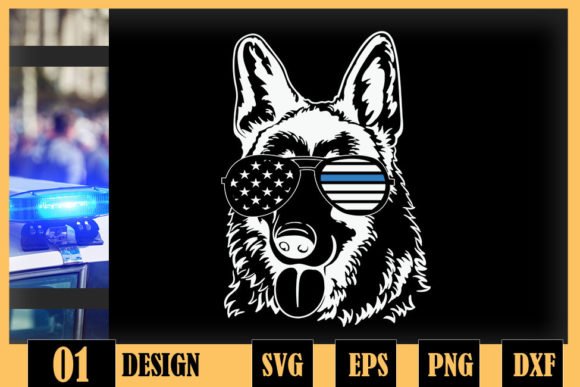
The initial visual impact of the Police Officer Police Dog Thin Blue Line is one of solidarity and strength. The composition relies heavily on the silhouette style, which is generally a safe bet for embroidery because it minimizes complex shading issues. The mood is respectful and authoritative, making it an ideal candidate for projects intended to honor law enforcement or show support for K9 units.
From a layout perspective, the interplay between the officer, the dog, and the iconic "Thin Blue Line" flag element creates a balanced horizontal flow. However, as a reviewer, my immediate thought turns to stitch types. A graphic like this usually demands a mix of satin stitch for the outlines and text (if any) and a dense fill stitch for the solid black areas of the silhouettes. The "Thin Blue Line" itself will likely require precise running stitch or narrow satin columns to maintain its definition without bleeding into the surrounding black fills. The visual personality is bold, which suggests it belongs on items where it can be seen clearly from a distance, rather than hidden in tiny, intricate details.
Real-World Application: The Custom Tote Project
To truly test the viability of this design, I imagined a specific real-life scenario: creating a run of custom tote bags for a local police appreciation event. For this embroidery project, I would be working with a heavy-duty canvas tote bag design. The Police Officer Police Dog Thin Blue Line would serve as the central focal point.
In this context, the design's clarity is paramount. Canvas has a distinct fabric texture that can sometimes swallow fine details. If the digitized version of this graphic has too low of a stitch density, the white background of the canvas might peek through the black fill, ruining the crisp silhouette effect. Conversely, if the density is too high, the fabric could pucker. For a handmade product like this, the goal is a smooth, professional finish that looks like it came from a boutique, not a home hobbyist setup. The strong contrast of the blue line against the black and white elements would pop beautifully on a natural or navy canvas, offering high recognition value for the recipients.
Versatility Across Product Lines
Beyond tote bags, this graphic offers significant versatility for an Etsy seller or small shop owner. It translates well to sweatshirt embroidery, where the larger chest area provides ample room for the design to breathe. It is also suitable for custom apparel like polo shirts for security firms or K9 handler teams.
For those interested in embroidered patch creation, this design is a strong contender. The defined edges of the officer and dog silhouettes make for clean merrowed borders. However, one must be cautious with baby embroidery. While the theme is wholesome, the scale of the design might be too large or detailed for small infant garments unless significantly resized, which risks losing the integrity of the thin blue line detail. For holiday embroidery or gift giving, this could be adapted for pillow covers or blanket corners, adding a personalized touch for families with members in service.
Technical Considerations and Fabric Challenges
While the design is visually striking, there are specific scenarios where the Police Officer Police Dog Thin Blue Line requires extra caution.
- Small Hoop Sizes: If you attempt to shrink this design to fit a small hoop for a hat front or a pocket logo, the "Thin Blue Line" element may become too narrow to stitch cleanly. Fine lines often break or merge with adjacent fills when reduced below a certain threshold.
- Textured and Stretchy Fabrics: On highly textured towels or stretchy performance fabrics, the stability of the large fill areas is crucial. Without the proper stabilizer, the weight of the thread could cause the garment to warp over time.
- Dark Fabrics: Since the design relies on light elements (the white parts of the flag or officer) against dark fills, stitching this on a black garment requires a white underlay. If the digital file does not account for this, the white threads will appear gray or translucent, diminishing the visual appeal.
- Curved Surfaces: Applying this to a cap requires careful hooping. The curvature can distort the horizontal alignment of the flag and the figures, making the officer and dog appear to lean if not centered perfectly.
Enhancing Brand Value and Customer Trust
Using a well-executed version of this design can significantly boost the perceived value of your small shop product. Customers looking for law enforcement support items are often passionate and discerning; they expect a level of professionalism that honors the subject matter. A sloppy stitch job on such a symbolic image can damage customer trust and brand consistency.
When used correctly, however, the Police Officer Police Dog Thin Blue Line enhances giftability and buyer engagement. It tells a story of partnership and duty. For commercial embroidery clients, such as police departments ordering team gear, the precision of the blue line serves as a mark of quality. It transforms a simple garment into a statement piece. Furthermore, for digital product sellers, offering this as a printable mockup or part of a bundle of design assets can attract makers looking for ready-to-use themes for their own craft business.
Practical Notes for the Embroiderer
Before committing this design to a final client order or listing it in your store, I strongly advise following these practical steps:
- Test on Scrap Fabric: Always stitch a sample on the exact same material you plan to use for the final product. This reveals how the thread colors interact with the base fabric.
- Check Contrast: Verify that the blue used for the line stands out sharply against the black fill. Some thread brands have blues that are too dark; consider using a brighter royal blue for better visibility.
- Review Stitch Density: Inspect the back of the test stitch. If there is excessive thread buildup, you may need to adjust your tension or ask the digitizer for a lighter version.
- Confirm Hoop Size: Ensure your machine's hoop can accommodate the full width of the design without needing to re-hoop, which can lead to alignment errors.
- Licensing Verification: The product description mentions compatibility with software like Cricut Design Space, Silhouette Studio, Corel Draw, Adobe Illustrator, and Photoshop. This suggests the file may be a vector or raster image intended for cutting or printing, rather than a pre-digitized embroidery file. Crucially, confirm whether this is a ready-to-stitch embroidery file or a graphic that needs to be digitized by you. If it is a graphic, you must have the rights and skills to convert it into a stitch file before selling finished items.
In conclusion, the Police Officer Police Dog Thin Blue Line is a powerful visual asset with strong potential for meaningful personalized gifts and commercial goods. Its success lies not just in the image itself, but in the execution. By respecting the technical limitations of embroidery machines and choosing the right materials, you can turn this graphic into a standout finished product that resonates with your audience.