Reviewing the 16TH BIRTHDAY Design for Embroidery
As an experienced designer who has spent years digitizing patterns and testing files on various machines, I approach every new machine embroidery design with a critical eye. It is not just about whether the image looks good on a screen; it is about how it translates to thread, fabric, and ultimately, the hands of the customer. Recently, I evaluated the 16TH BIRTHDAY graphic asset to determine its viability for real-world embroidery projects. While the product description highlights its utility for Print On Demand (POD) businesses and jewelry or t-shirt graphics, my focus was strictly on how this design performs when stitched out for custom apparel and handmade goods.
First Impressions and Visual Personality
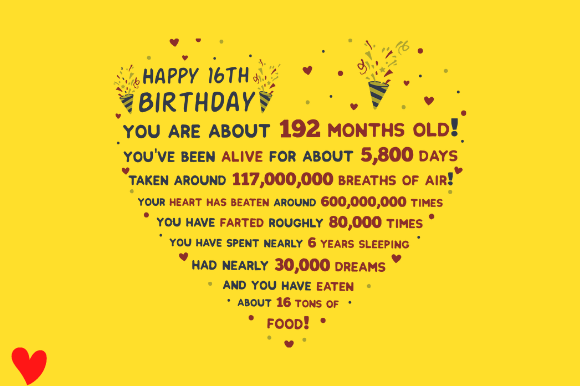
The first thing that strikes you about the 16TH BIRTHDAY concept is its inherent celebratory mood. Sixteen is a milestone age, often associated with freedom, driving, and emerging adulthood. A design targeting this demographic needs to balance youthful energy with a touch of sophistication. In my review of the provided Graphics, the layout appears clean and bold. For embroidery, this is crucial. Overly intricate details often get lost in translation when converted from a flat digital image to textured thread.
The visual personality of this design suggests versatility. It does not scream "childish," which makes it suitable for a wider range of applications beyond just kids' wear. When I visualize this as an embroidered patch or a chest logo on a hoodie, the boldness of the typography likely holds up well. However, because the source material is described primarily as a graphic design for POD, we must assume that some adaptation or careful selection of stitch types will be necessary to ensure it doesn't look like a printed sticker on fabric.
Real-World Application: The Custom Sweatshirt Test
To truly understand the value of this asset, I imagined a specific scenario: a mother ordering a personalized gift for her daughter’s sweet sixteen. She wants a high-quality, custom piece that feels special, not mass-produced. I chose a mid-weight cotton blend sweatshirt as the canvas. This is a popular item for Etsy sellers and craft business owners because it offers a stable surface for stitching.
In this context, the 16TH BIRTHDAY design would likely serve as the central focal point. If I were digitizing this or preparing it for production, I would lean heavily on fill stitch techniques for the larger areas to provide coverage and durability. For the outlines or finer details, a satin stitch could add a nice sheen and definition. The result would be a tactile, premium-looking finished product that justifies a higher price point than a simple heat-transfer vinyl application. Customers trust the quality of embroidery; it signals effort and permanence.
Versatility Across Product Lines
Beyond sweatshirts, this design has potential in several other categories within the Crafts niche. Consider a sturdy canvas tote bag design. A sixteen-year-old might appreciate a reusable bag for school or shopping, emblazoned with this milestone marker. Here, the density of the stitching becomes important. You want enough coverage to prevent the bag's weave from showing through, but not so much that the fabric puckers.
Another interesting avenue is holiday embroidery or birthday party decor. Imagine this design stitched onto pillow covers for a party photo booth backdrop, or even on aprons for a baking-themed celebration. The key is adapting the scale. A large back-piece for a jacket requires different handling than a small pocket accent. As a digital embroidery file provider or user, you must ensure the design is scalable without losing integrity. If the original graphic relies on thin lines, they may need to be thickened for smaller hoop size applications to prevent thread breaks or poor coverage.
Technical Considerations and Potential Pitfalls
While the aesthetic appeal is strong, there are technical challenges to consider when moving from a graphic concept to a stitched reality. One major concern is stitch density. If the original graphic has solid blocks of color, converting these directly to embroidery can result in a stiff, cardboard-like feel. This is uncomfortable on wearable items like t-shirts or baby clothes. To mitigate this, I recommend using underlay stitches effectively and possibly incorporating applique design techniques if the design allows. Applique reduces bulk by using fabric pieces instead of thousands of stitches, which is ideal for larger designs on stretchy fabrics.
Fabric choice plays a massive role. On textured fabrics, fine details can disappear. On dark fabric, you must ensure your thread colors have enough contrast. If the design includes light elements on a black hoodie, you might need a white underlay to make the top threads pop. Additionally, curved surfaces like caps present a challenge. The distortion inherent in sewing on a curved brim means that symmetrical designs like 16TH BIRTHDAY need to be centered perfectly. Any misalignment is immediately noticeable.
Small details are another area of caution. If the graphic includes tiny decorative elements or very thin lettering, these may not stitch out cleanly. A running stitch might be insufficient for visibility, while a satin stitch might be too wide for the space. Always inspect the design at 100% zoom before committing to production. If the source file is a raster image rather than a vector or embroidery-specific format, the conversion process requires skilled digitizing to maintain clarity.
Enhancing Brand Value and Customer Trust
For small shop product creators, the quality of your design directly impacts your brand consistency. Using a well-thought-out design like 16TH BIRTHDAY can elevate your custom apparel line. It shows that you understand current trends and milestone events. When customers see a neatly stitched, professional-looking design, their trust in your craftsmanship increases. This leads to repeat business and positive reviews, which are vital for any Etsy seller or independent maker.
Moreover, the "giftability" factor is high. Birthday gifts are emotional purchases. A beautifully embroidered item feels thoughtful and lasting. By offering this design on various items—perhaps a set including a tote and a sweatshirt—you create a cohesive collection. This encourages larger basket sizes and enhances the perceived value of your design assets.
Practical Designer Notes for Implementation
Before you launch this design into your store or use it for a client, follow these practical steps to ensure success:
- Test on Scrap Fabric: Never skip the test stitch. Use the same type of fabric you plan to sell. Check for puckering, thread breaks, and color accuracy.
- Check Stabilizer Requirements: The right stabilizer is non-negotiable. For stretchy knits, use a cut-away stabilizer. For woven totes, a tear-away might suffice, but test first.
- Verify Licensing: The product description mentions POD assets. Ensure you understand the license terms. Can you sell the physical embroidered item? Can you sell the digital file? Clarify this before listing to avoid legal issues.
- Mockup Testing: Create printable mockup images showing the design on both light and dark garments. This helps customers visualize the final look and reduces return requests due to mismatched expectations.
- Inspect Small Details: Zoom in on the digitized version. Are there any stray stitches? Is the text legible? Adjust pull compensation if necessary to prevent gaps between letters.
In conclusion, the 16TH BIRTHDAY design offers a solid foundation for a variety of commercial embroidery projects. Its strength lies in its relevance and bold visual style. However, its success depends entirely on the technical execution. By paying attention to stitch density, fabric compatibility, and proper stabilization, you can transform this graphic into a standout handmade product. Whether you are creating a baby embroidery keepsake for a younger sibling's celebration or a trendy tee for the birthday girl, this design has the potential to perform well if handled with professional care. Always prioritize quality over speed, and your customers will appreciate the difference.