Reviewing the 16TH BIRTHDAY CARD Design for Embroidery
As a designer who has spent years translating digital concepts into thread, I approach every new embroidery file with a mix of curiosity and skepticism. We have all seen designs that look stunning on a screen but turn into a tangled mess under the needle. Today, I am taking a close look at the 16TH BIRTHDAY CARD graphic design asset. While this product is marketed broadly for Print on Demand (POD) businesses, jewelry, and t-shirt graphics, my focus is strictly on its viability for physical machine embroidery design projects. Can this graphic translate well into stitch? Is it suitable for the discerning Etsy seller or the boutique owner looking to expand their craft business inventory? Let us dig into the practical realities.
First Impressions: Visual Personality and Mood
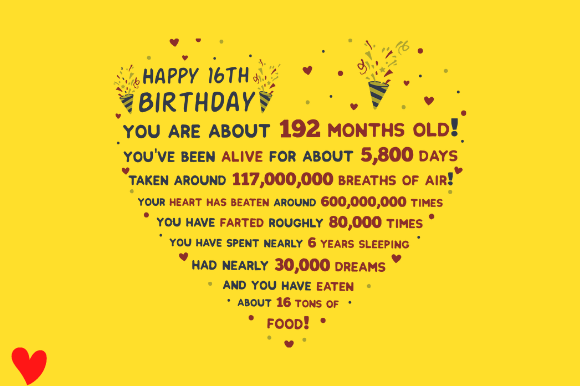
The 16TH BIRTHDAY CARD design carries a distinct celebratory weight. Sixteen is a milestone birthday, often marking the transition from childhood to young adulthood. The visual personality of this graphic needs to balance fun with a touch of sophistication. When I first opened the file, I looked for clean lines and balanced spacing. In embroidery, negative space is just as important as the stitched areas. A cluttered design will not only take hours to stitch but may also pucker the fabric, ruining the finished product.
This particular graphic appears to have a layout that favors bold statements. For an embroidery project, this is generally a positive trait. Bold elements translate well into satin stitch or dense fill stitch patterns, providing good coverage and durability. However, because this is originally a graphic design asset intended for POD and print, we must be cautious. Print designs often rely on gradients and fine details that do not exist in thread. My immediate recommendation is to simplify any intricate shading before digitizing or purchasing a pre-digitized version. The goal is to maintain the theme’s energy without overwhelming the fabric texture.
Real-World Application: From Screen to Stitch
To truly evaluate the 16TH BIRTHDAY CARD design, I imagined a specific real-life scenario. Picture a local customer coming into your shop requesting a personalized gift for their daughter’s sweet sixteen. They want something unique, not just a store-bought card. This is where your skills as a maker shine. I envisioned stitching this design onto a high-quality canvas tote bag design or a premium fleece hoodie.
For a sweatshirt embroidery project, the design’s placement is critical. Centered on the chest, it acts as a statement piece. If the design includes large lettering, a fill stitch background can provide a solid base, ensuring the text pops against the fuzzy texture of the fleece. Alternatively, if you are creating a personalized gift like a decorative pillow cover, the design could serve as the focal point. In this context, the thread colors you choose become paramount. A sixteen-year-old might prefer vibrant, trendy hues rather than traditional pastels. Testing the design in various colorways is essential to ensure it appeals to the target demographic.
Another viable option is creating an embroidered patch. Patches are incredibly popular among small shop product lines because they are versatile. A customer can buy the patch and iron it onto a jacket, backpack, or hat later. For a patch, the 16TH BIRTHDAY CARD design would need a clean border, likely a running stitch or a tight satin border, to prevent fraying. This application allows you to sell the design as a standalone handmade product without committing to a specific garment size.
Navigating Technical Challenges and Fabric Constraints
While the concept is strong, executing the 16TH BIRTHDAY CARD design requires technical precision. One major concern with graphic-based designs is stitch density. If the original graphic has heavy black areas or complex overlaps, stitching them at full density can cause the fabric to pull and distort. This is especially true for stretchy fabric like jersey knits used in t-shirts. To mitigate this, I always advise using a cut-away stabilizer for garments that will be washed frequently. For stable fabrics like cotton tote bags, a tear-away stabilizer might suffice, but testing is non-negotiable.
Let us talk about scale. If you plan to use this design on a cap or hat, you are working with a curved surface and limited space. Large, wide designs do not wrap well around the front panel of a cap. You may need to resize the 16TH BIRTHDAY CARD graphic significantly. However, shrinking a design too much can lead to issues with tiny lettering or fine details becoming illegible. Thread has thickness; it cannot replicate the precision of a printer. If the design includes small text, ensure it is large enough to be read after stitching. If not, consider removing the smallest elements or replacing them with simpler icons.
Dark fabric presents another challenge. If you are stitching on a black hoodie or navy tote, you cannot rely on the fabric color to fill in gaps. Your digitizing must be complete. Underlay stitches are crucial here to anchor the top stitches and prevent the dark fabric from peeking through lighter thread colors. Always run a test stitch-out on scrap fabric of the same type and color before committing to the final custom apparel item.
Commercial Viability and Brand Consistency
For commercial embroidery professionals and digital embroidery file sellers, the appeal of the 16TH BIRTHDAY CARD lies in its niche specificity. Milestone birthdays are evergreen markets. People will always turn sixteen. By offering this design as part of a broader collection of birthday-themed assets, you create a cohesive brand identity. It shows customers that you understand their needs for specific occasions, whether it is holiday embroidery or personal milestones.
However, licensing is a critical factor. The product description mentions it is a graphic design for POD and jewelry. It does not explicitly state the terms for machine embroidery resale. Before you sell finished items or the digitized file itself, you must confirm the license. Can you use this graphic to create a digitized applique design? Can you sell the stitched shirts? Never assume. Contact the creator or check the detailed license agreement. Protecting your craft business from copyright issues is just as important as the quality of your stitching.
Practical Designer Notes for Success
To ensure the best results with the 16TH BIRTHDAY CARD design, keep these practical tips in mind:
- Test on Scrap Fabric: Always stitch a sample on the exact fabric you plan to use. Check for puckering, thread breaks, and registration issues.
- Check Thread Contrast: Use high-contrast thread colors to make the design readable. Avoid blending similar shades unless you are aiming for a subtle, tonal look.
- Review Stitch Density: If digitizing yourself, reduce density in large fill areas to save thread and time, and to reduce bulk.
- Confirm Hoop Size: Ensure the design fits within your standard hoop sizes. If it is too large, consider splitting it or resizing it, keeping legibility in mind.
- Inspect Small Details: Zoom in on the design. Are there any tiny elements that will get lost in stitching? Simplify them if necessary.
- Mockup in Black and White: Convert the design to grayscale to check value contrast. If it looks flat in black and white, it may lack definition in thread.
- Use Proper Stabilizer: Match the stabilizer to the fabric. Cut-away for knits, tear-away for wovens, and wash-away for delicate or textured fabrics.
In conclusion, the 16TH BIRTHDAY CARD graphic offers a promising foundation for creative embroidery project work. It taps into a lucrative market of milestone celebrations and personalized gifting. However, its success depends entirely on how well you adapt it for the medium of thread. By respecting the limitations of embroidery machines, choosing the right materials, and adhering to proper licensing, you can transform this digital asset into a tangible, high-value finished product that delights customers and strengthens your brand. Whether you are making a single baby embroidery item for a friend or stocking your online store with custom apparel, thoughtful execution is key.