Playing with Fire: A Designer's Review for Embroidery
As a designer who spends more time at the hoop than away from it, I approach every new machine embroidery design with a mix of excitement and skepticism. We have all downloaded a file that looked stunning on the screen but turned into a bird's nest of thread once the needle hit the fabric. Today, I am taking a close look at Playing with Fire Will Get You Burnt. This isn't just a quick glance at a pretty graphic; this is an evaluation of how this specific asset holds up when translated from a digital Graphics file into a tangible, stitched reality.
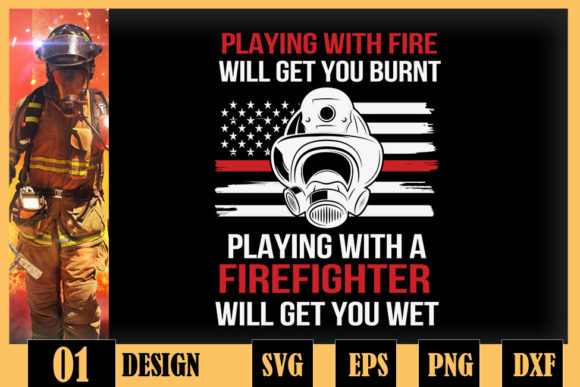
The first thing that strikes me about Playing with Fire Will Get You Burnt is its attitude. In the world of Crafts, we often see designs that are overly cute or generically inspirational. This piece, however, brings a bit of edge. The layout suggests a bold statement, likely utilizing a combination of script and block lettering intertwined with flame motifs. Visually, it creates a mood of warning and resilience. For an Etsy seller or a boutique owner, this kind of personality is gold. It speaks to a customer base that appreciates wit and a little bit of rebellion in their handmade product lineup.
Real-World Application: The Custom Sweatshirt Test
To truly understand the value of this design, I imagined a specific real-life scenario: creating a limited run of custom apparel for a local music festival or a biker group. I pictured Playing with Fire Will Get You Burnt centered on the chest of a heavy-weight, charcoal grey sweatshirt. This is a common request for small shop products, and the stakes are high. If the stitching looks cheap, the brand reputation takes a hit.
In this context, the design shines because of its potential for high contrast. Assuming the digitizer has done their job correctly, the "fire" elements should pop against the dark fabric. However, the success of this embroidery project relies heavily on execution. When working with a phrase this long, spacing is critical. On a curved surface like a sweatshirt sleeve or a structured cap, long lines of text can distort. My advice would be to keep this design on flat, stable areas of the garment, such as the upper back of a jacket or the center of a tote bag, rather than trying to force it onto a small, curved pocket.
For those looking to expand their craft business, this design fits perfectly into the "statement piece" category. It works exceptionally well for custom apparel intended for young adults or niche hobby groups. Imagine this stitched onto a canvas tote bag design for a teacher who handles chaotic classrooms, or perhaps on a denim apron for a pitmaster at a BBQ competition. The thematic link between the text and the application adds value to the finished product, making it more than just cloth; it becomes a conversation starter.
Technical Considerations for Stitching Clarity
While the aesthetic appeal is strong, we must discuss the technical realities of stitching Playing with Fire Will Get You Burnt. The description notes compatibility with software like Cricut Design Space, Silhouette Studio, and Adobe Illustrator. This indicates that the source file is likely a vector-based digital embroidery file or a high-resolution graphic intended for conversion. Here is where your expertise as a maker comes into play.
If you are using this as a print-and-cut project for heat transfer vinyl, the details are manageable. However, if you are converting this graphic into a stitch file for a machine, you need to be incredibly careful with stitch density. Flame motifs often involve sharp, tapering points. If these are digitized with too many fill stitch layers, the threads will bunch up, and those crisp fire tips will look blunt and muddy. Conversely, if the lettering is too thin, relying solely on a running stitch, it may not hold up to frequent washing.
Before committing to a client order, you must test the design on scrap fabric that matches your final material. Check the transition between the text and the graphical elements. Are there jump stitches that need trimming? Does the design require an applique design approach where a piece of red felt is laid down and stitched over to create the fire effect? This technique can save time and reduce bulk, making it ideal for baby embroidery items where softness against the skin is paramount. Always confirm the hoop size requirements; a design with this much text likely needs a medium to large hoop to prevent the frame from crushing the stitches.
Navigating Fabric Textures and Limitations
Not every fabric is a good candidate for Playing with Fire Will Get You Burnt. While it looks fantastic on sturdy cotton twill or fleece, proceed with caution on stretchy knits or textured towels. The intricate details of the flames can get lost in the loops of a terry cloth kitchen towel or distort on a thin rayon blouse. For holiday embroidery gifts, such as ornament covers or pillow shams, ensure you are using the correct stabilizer. A cut-away stabilizer is usually safer for designs with higher density to prevent puckering over time.
Furthermore, consider the color palette. The title implies fire, suggesting reds, oranges, and yellows. These colors can be tricky on dark fabrics if the underlay isn't sufficient. You might find that the yellow threads disappear into a black background. In such cases, adding a white or light grey underlay stitch can make the thread colors vibrate with life. This attention to detail is what separates a hobbyist from a professional apparel decorator.
Commercial Viability and Brand Consistency
For the creative entrepreneurs reading this, the commercial potential of this design is significant. It fits well within current trends that favor bold typography and metaphorical imagery. Whether you are selling personalized gifts for Valentine's Day (playing on the "heat" of romance) or creating merchandise for a rock band, the versatility is there. However, always verify the licensing terms associated with the file. Just because a file opens in Adobe Photoshop or Corel Draw does not automatically grant you the right to sell unlimited physical goods. Ensure the license covers commercial embroidery use.
From a branding perspective, using Playing with Fire Will Get You Burnt consistently across different products can help build recognition. If you run a shop that sells edgy, modern home decor, stitching this onto a series of pillow covers or wall hangings creates a cohesive collection. Customers trust sellers who present high-quality, well-thought-out items. A clean, well-stitched version of this design signals professionalism, whereas a poorly executed one can damage buyer engagement.
In conclusion, Playing with Fire Will Get You Burnt is a compelling asset for the right project. It offers a blend of visual drama and textual wit that resonates with modern consumers. However, its success depends entirely on the skill of the maker. By paying attention to fabric choice, stabilizer selection, and stitch optimization, you can transform this digital graphic into a standout handmade product. Remember to always test before you sell, check your file formats, and let your creativity burn bright without getting burnt by poor preparation. With the right approach, this design can be a fiery addition to your portfolio of design assets.